

Key Takeaways
- AI improves planning and scheduling by analyzing project data, predicting delays and adjusting timelines automatically.
- AI boosts productivity by streamlining workflows, cutting paperwork and giving crews real-time insights.
- AI strengthens decision-making by connecting data across projects to improve performance and long-term efficiency.
What Is AI in Construction Management?
AI is quickly becoming an everyday tool across industries, and construction management is no exception. For contractors, AI isn’t about replacing crews — it’s about making smarter decisions, reducing risk and keeping projects moving.
So what does that look like in practice? AI in construction management refers to software that uses machine learning, predictive analytics and automation to improve planning, scheduling, safety and reporting across a project.
Here’s what each of those capabilities does in practice:
- Machine learning analyzes patterns in historical project data — past schedules, cost overruns, delay causes — and uses those patterns to make increasingly accurate predictions over time. The more data you feed it, the better it performs.
- Predictive analytics turns that data into forward-looking insight — flagging a likely material delay weeks before it happens, surfacing a scheduling conflict before crews are idling or warning of a budget variance before it compounds.
- Automation handles the repetitive work — generating daily logs, sending status updates, adjusting schedule dependencies — so project managers spend less time on admin and more time managing the actual job.

Why Does AI in Construction Management Matter Now?
A persistent labor shortage is the backdrop for everything happening in construction technology today. According to Associated Builders and Contractors, the industry needs to attract an estimated 349,000 net new workers in 2026 just to keep pace with demand. With fewer skilled workers available, contractors are leaning on tools that help their existing crews do more.
Adoption is already well underway. About one-third of residential construction and design pros now use AI in their business, and they report saving more than three hours a week — the equivalent of roughly $108,000 in annual productivity gains per business. In short, AI has gone from buzzword to everyday tool faster than many expected.
How Builders and Remodelers Use AI in Construction Management
AI shows up differently depending on whether you’re building from the ground up or remodeling an existing space. Here’s how the same capabilities serve each audience:
Use case
For Builders
For Remodelers
Planning & scheduling
Sequencing large, multiphase builds; predicting weather and supply delays
Coordinating subs and tight timelines in occupied homes
Estimating & takeoffs
Faster bid prep on complex, high-volume projects
Quick, accurate takeoffs and estimates for fixed-scope jobs
Risk & safety
Computer-vision hazard and PPE detection across large sites
Catching measurement and plan conflicts before demolition
Client communication
Owner and stakeholder status updates
Homeowner messaging, estimates and approvals
How AI Improves Construction Planning and Scheduling
Construction schedules rarely survive contact with the real world. Weather, labor availability and material deliveries all shift timelines, and a delay in one quickly cascades into the next. AI construction software helps teams stay ahead of those shifts by building schedules that adapt as conditions change.
These tools analyze historical project data alongside current conditions and live jobsite inputs, then flag risks before they turn into expensive problems. Instead of learning a delivery is late when the crew is already standing around, you get an early warning and a recommended adjustment to keep the rest of the schedule intact.
Key Benefits for Planning and Scheduling
- Optimizes schedules around real-world constraints like team size and lead times
- Predicts potential delays before they happen
- Adjusts timelines dynamically as conditions change
What this means for contractors: Instead of reacting to problems, you can get ahead of them to keep projects on track and on budget.
AI for Estimating, Takeoffs and Client Communication
Bidding and paperwork are where many remodelers and small builders quietly lose hours. AI is changing that on two fronts: speeding up the numbers and smoothing out client communication.
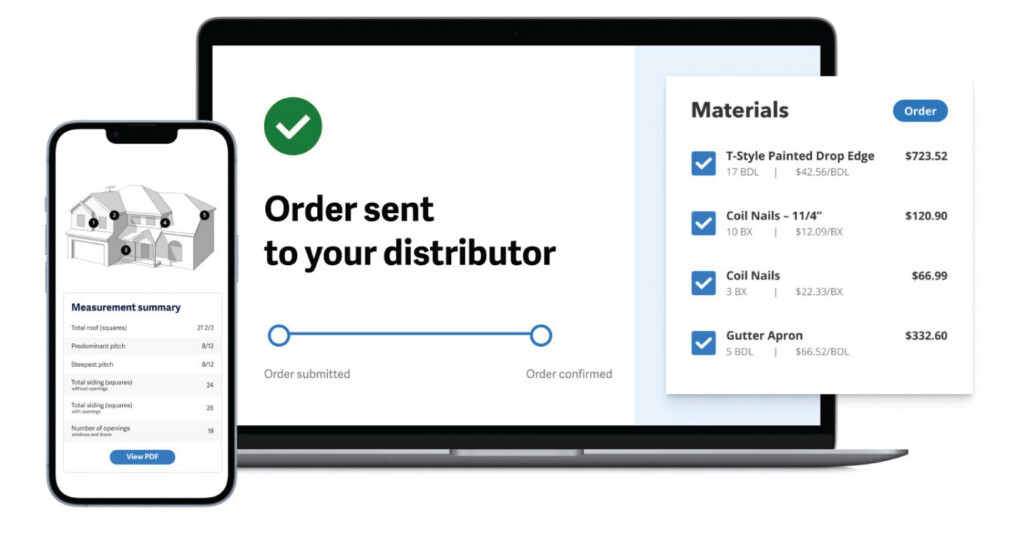
On estimating, AI takeoff tools can read plans and site photos to measure materials in a fraction of the time and keep estimates current as material prices move. The payoff is broad: In a 2025 Dodge Construction Network survey, 85% of contractors said they expect AI to cut the time they spend on repetitive tasks. On the client side, AI assistants can draft the proposals, status updates and change-order notes that keep homeowners informed and projects moving.
AI helps contractors:
- Generate fast, consistent takeoffs from plans and site photos
- Build and update estimates with current material pricing
- Draft client messages, proposals and change-order updates
What this means for contractors: Faster, more accurate bids and quicker client responses help you win more work without adding office staff.
AI for Construction Documentation and Reporting
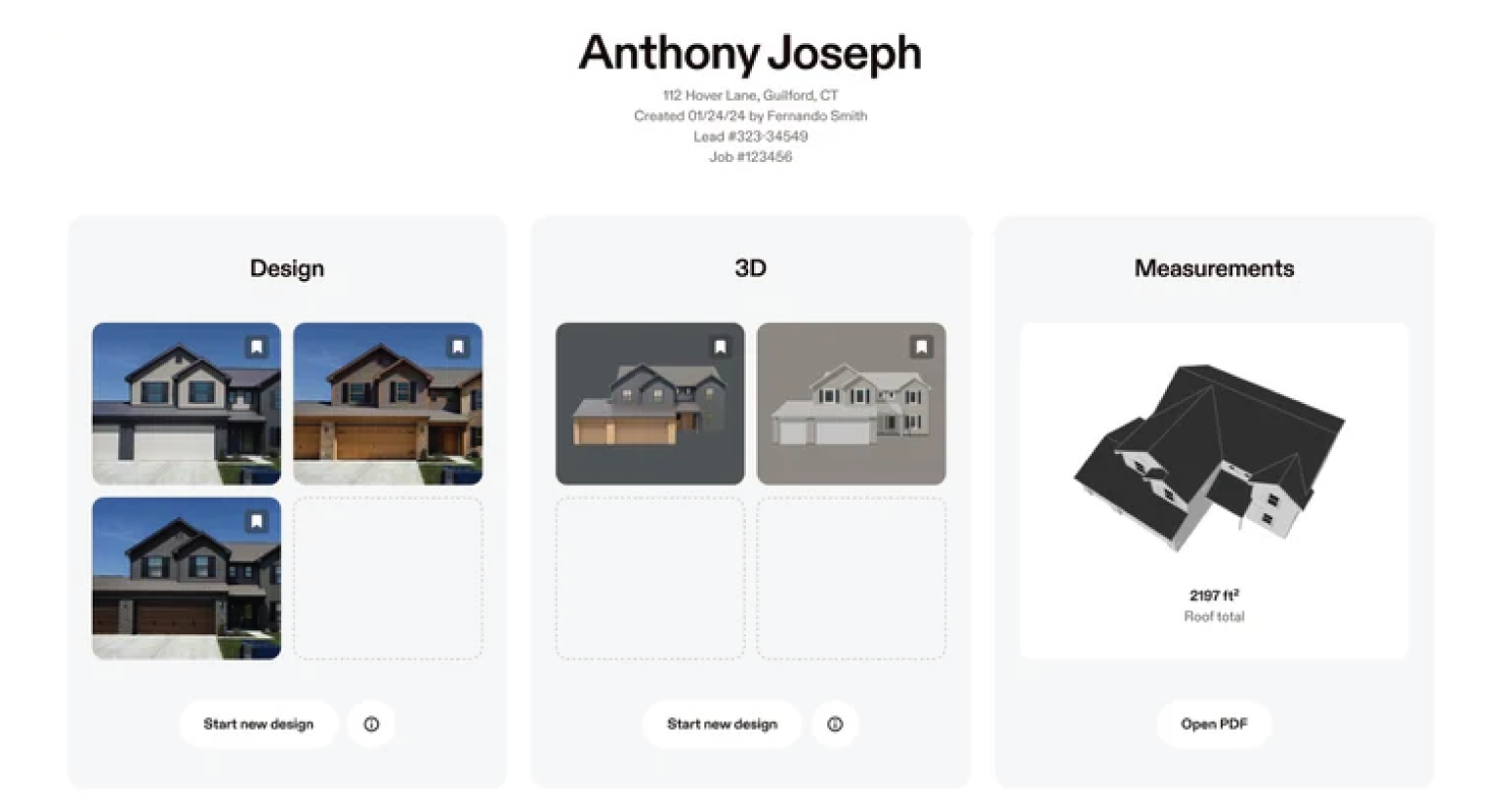
Daily logs, progress reports and photo documentation are essential and time-consuming. AI lifts much of that administrative weight by turning routine jobsite inputs into organized records automatically.
AI construction management tools can:
- Generate daily reports from jobsite inputs
- Organize photos, notes and updates by project
- Track milestones and progress in real time
The result is a centralized, searchable record of every project so nothing slips through the cracks between the jobsite and the office.
What this means for contractors: Less time on paperwork means more time managing crews and jobsites, with professional documentation your customers and team can rely on.
Using AI to Reduce Risk and Prevent Costly Construction Errors
Rework is one of the biggest profit killers in construction. AI helps reduce it by analyzing patterns across a project and flagging potential issues before they escalate into change orders or callbacks.
In practice, that means:
- Identifying scheduling conflicts that could slow progress
- Flagging inconsistencies in project plans or measurements
- Highlighting conditions that could lead to delays or errors
Some tools go further, analyzing images or site data to spot safety risks — like trip hazards or unsafe conditions — before they cause an incident. AI is reshaping construction safety more broadly too: A 2025 peer-reviewed review of 122 studies found that AI-powered computer vision is shifting jobsite safety from a reactive to a proactive practice. The stakes are high, given that falls alone account for nearly 40% of construction deaths.
What this means for contractors: Catching issues early protects your margins, reduces change orders and keeps projects running smoothly.
How AI Improves Construction Planning and Scheduling
Daily logs, progress reports and photo documentation are essential and time-consuming. AI lifts much of that administrative weight by turning routine jobsite inputs into organized records automatically.
AI construction management tools can:
- Generate daily reports from jobsite inputs
- Organize photos, notes and updates by project
- Track milestones and progress in real time
The result is a centralized, searchable record of every project so nothing slips through the cracks between the jobsite and the office.
What this means for contractors: Less time on paperwork means more time managing crews and jobsites, with professional documentation your customers and team can rely on.
How AI Boosts Jobsite Productivity and Supports Crews
There’s a common fear that AI is meant to replace skilled labor. In reality, its most valuable role in construction is supporting the people already doing the work, which includes handling the repetitive background tasks so crews can focus on building.
AI construction management software can:
- Simplify workflows and reduce repetitive data entry
- Keep project data and insights a tap away in the field
- Help crews make faster, better-informed decisions onsite
What this means for contractors: While AI handles the busywork that slows teams down, your team stays focused on high-value work.
AI for Jobsite Safety and Hazard Prevention
Jobsite safety is always a top priority, and AI is helping teams catch hazards earlier, before they turn into incidents. By monitoring site images and conditions, these tools act like an extra set of eyes that never clocks out.
Common use cases include:
- Analyzing jobsite images for trip, fall and struck-by risks
- Monitoring site conditions and flagging unsafe changes
- Supporting safety-compliance tracking and reporting
For more ways to keep crews safe and productive, see ABC Supply’s guide on the 10 best construction technology tools that boost jobsite productivity in 2026.
What this means for contractors: A safer jobsite protects your crew, reduces downtime and helps keep projects on schedule.
How AI Improves Decision-Making Across Construction Projects
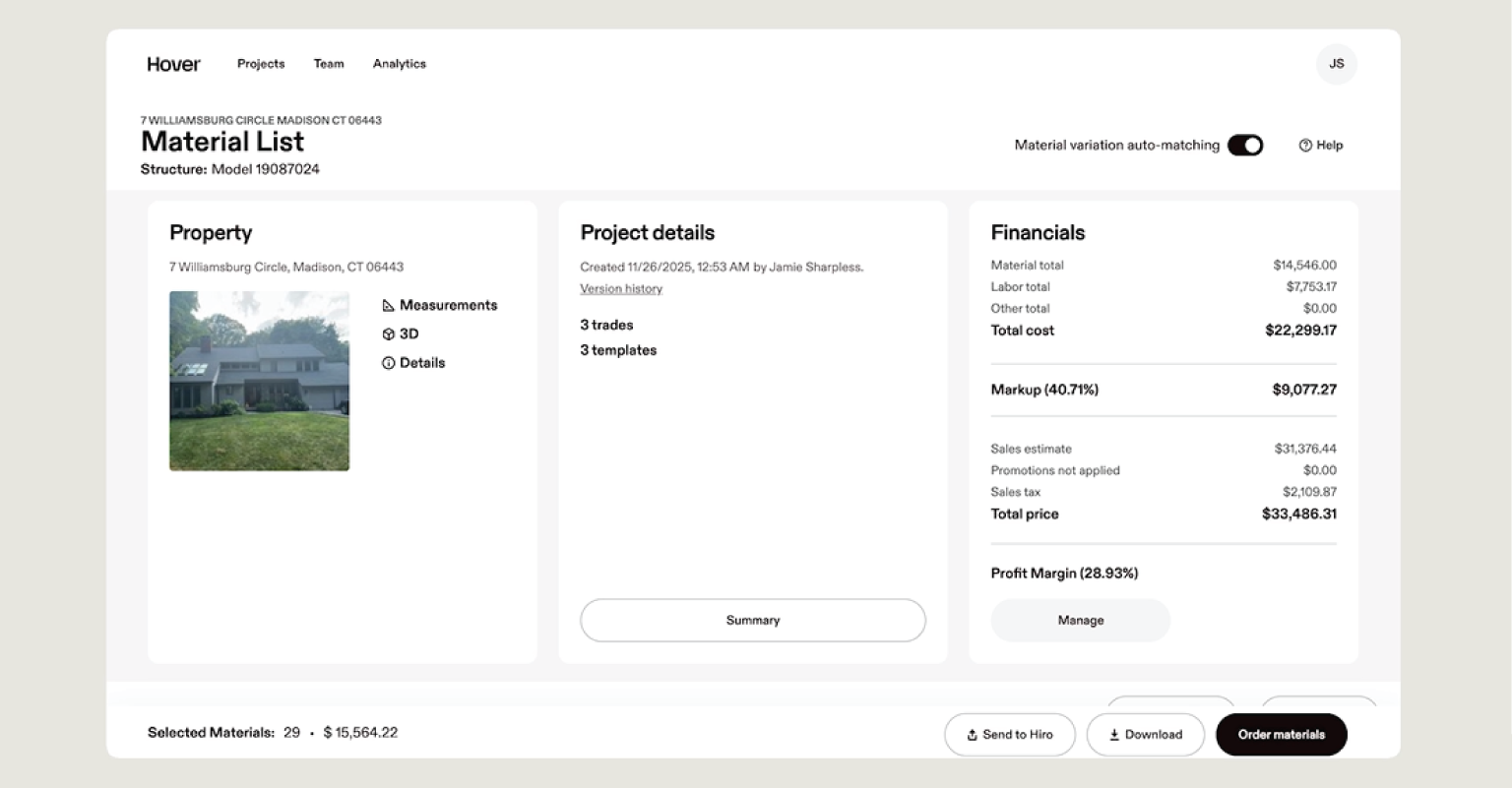
From preconstruction to the end of a project, AI connects data that would otherwise stay siloed. This gives contractors a clearer view of how a project is really performing. Over time, it turns scattered jobsite data into patterns you can act on.
This includes:
- Tracking productivity trends across jobs
- Comparing current project performance to past work
- Spotting opportunities to improve efficiency over time
What this means for contractors: Better insight leads to better decisions, helping you refine your process and stay competitive as the industry changes.
What to Watch: Common AI Adoption Barriers
AI isn’t plug-and-play. In a 2025 industry survey, the top barriers to adoption were a shortage of skilled staff, integration challenges and poor data quality. The good news: You don’t have to solve all of it at once.
A few things to plan for:
- Upfront cost and unclear return for smaller teams
- Integrating AI with the software you already use
- Data quality, since AI is only as good as the inputs you give it
- Training, because most crews get little formal guidance on new tools
What this means for contractors: Pick one high-friction task, test a tool on a single project and expand once it proves its value.
AI won’t replace skilled crews, but it is changing how the best builders and remodelers plan, document and protect their projects. Start small, focus on your biggest time-drains and let the results build from there. You can also count on ABC Supply to help you navigate every step.
FAQs: AI for Construction Managements
Do contractors need advanced technical skills to use AI tools?
No. Most modern AI construction tools are built for ease of use and designed to fit the workflows and software contractors already rely on.
Will AI replace construction workers?
No. AI in construction management is meant to support crews by boosting efficiency and reducing manual work, not replacing skilled labor.
What are the best AI tools for construction management?
Popular options fall into a few buckets: construction platforms with built-in AI (such as Procore, Autodesk Construction Cloud or Houzz Pro), AI takeoff and estimating tools (such as Togal.AI) and computer-vision safety tools. General-purpose assistants like ChatGPT, Claude and Gemini are also useful for drafting proposals, emails and other client communications. The right choice depends on whether you build, remodel or both, as well as which task costs you the most time today.
Is AI worth it for small contractors and remodelers?
Yes. Even small teams report saving several hours a week on estimating, paperwork and client communication. Start with one tool that targets your biggest time drain, then expand as it proves its value.
How AI Is Transforming Construction Management: Practical Uses and Benefits
Key Takeaways AI improves planning and scheduling by analyzing project data, predicting delays and adjusting timelines automatically. AI boosts productivity by streamlining workflows, cutting paperwork and giving crews real-time insights. AI
9 Best Construction Technology Tools for Contractors to Boost Jobsite Productivity in 2026
Key Takeaways See how myABCsupply, ABC Connect and other construction technology tools can help contractors get more done on the jobsite: Improve safety, communication and jobsite efficiency with mobile field and
3 Ways Contractors Can Deliver Customer Service That Wins Repeat Business
The contractors who earn the most referrals aren’t the ones with the best materials; they’re the ones who communicate best. Setting clear expectations, making decisions easier and following up after the