

Key Takeaways: Why Durable Building Materials Work as a System
- AI improves planning and scheduling by analyzing project data, predicting delays and adjusting timelines automatically.
- AI boosts productivity by streamlining workflows, cutting paperwork and giving crews real-time insights.
- AI strengthens decision-making by connecting data across projects to improve performance and long-term efficiency.
Walk any storm-damaged neighborhood and a pattern emerges: The failures rarely start where you’d expect. A roof peels because its edge wasn’t locked down. A wall gives way because a window let go and the house pressurized from inside. The expensive material is usually there; it just had a weak neighbor.
A truly weather-resistant building is a connected system, and its performance comes down to how the right parts work together.
That’s the shift behind durable building materials in 2026. With 27 billion-dollar weather disasters in 2024 and 28 in 2023 — the two highest counts on record — the question isn’t whether a home will be tested, but whether its weakest part can take the hit.
Why the roof matters most for weather resistance
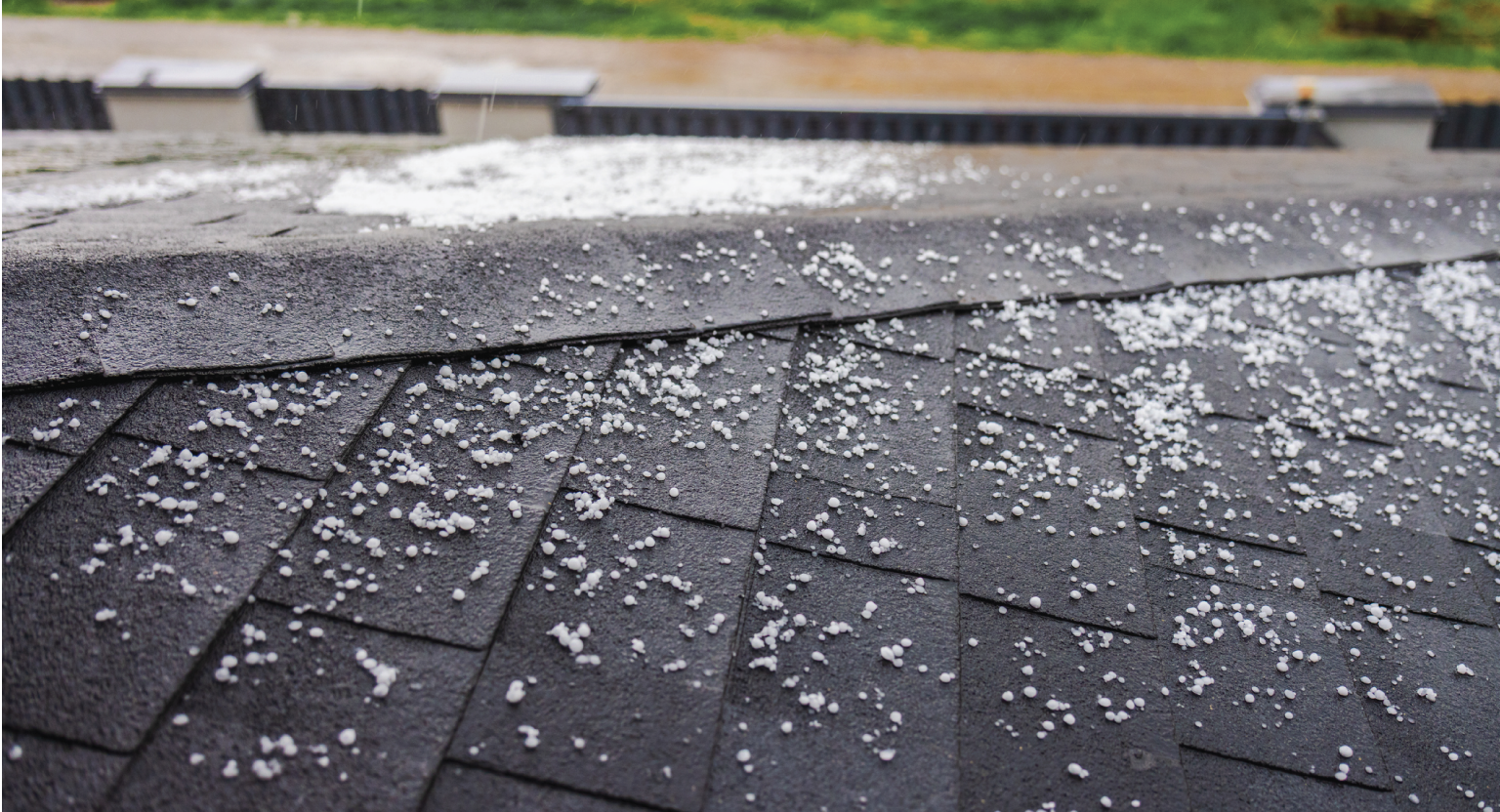
The roof is where most weather damage begins, and sealing the deck alone can cut water intrusion by up to 95% (IBHS). When a roof fails, water follows and the interior and structure go with it. The highest-leverage upgrades target the three places roofs actually let go:
Stronger fastening
Improved nailing roughly doubles the roof’s resistance to wind uplift.
A sealed deck
Sealed seams keep water out even if the shingles blow off.
Reinforced edges
Locked-down edges stop the peeling that usually starts the failure.
From there, the covering itself should be rated for the local threat: high-wind-rated where storms hit, impact-rated where hail does.
Why do impact-rated windows matter for weather resistance?
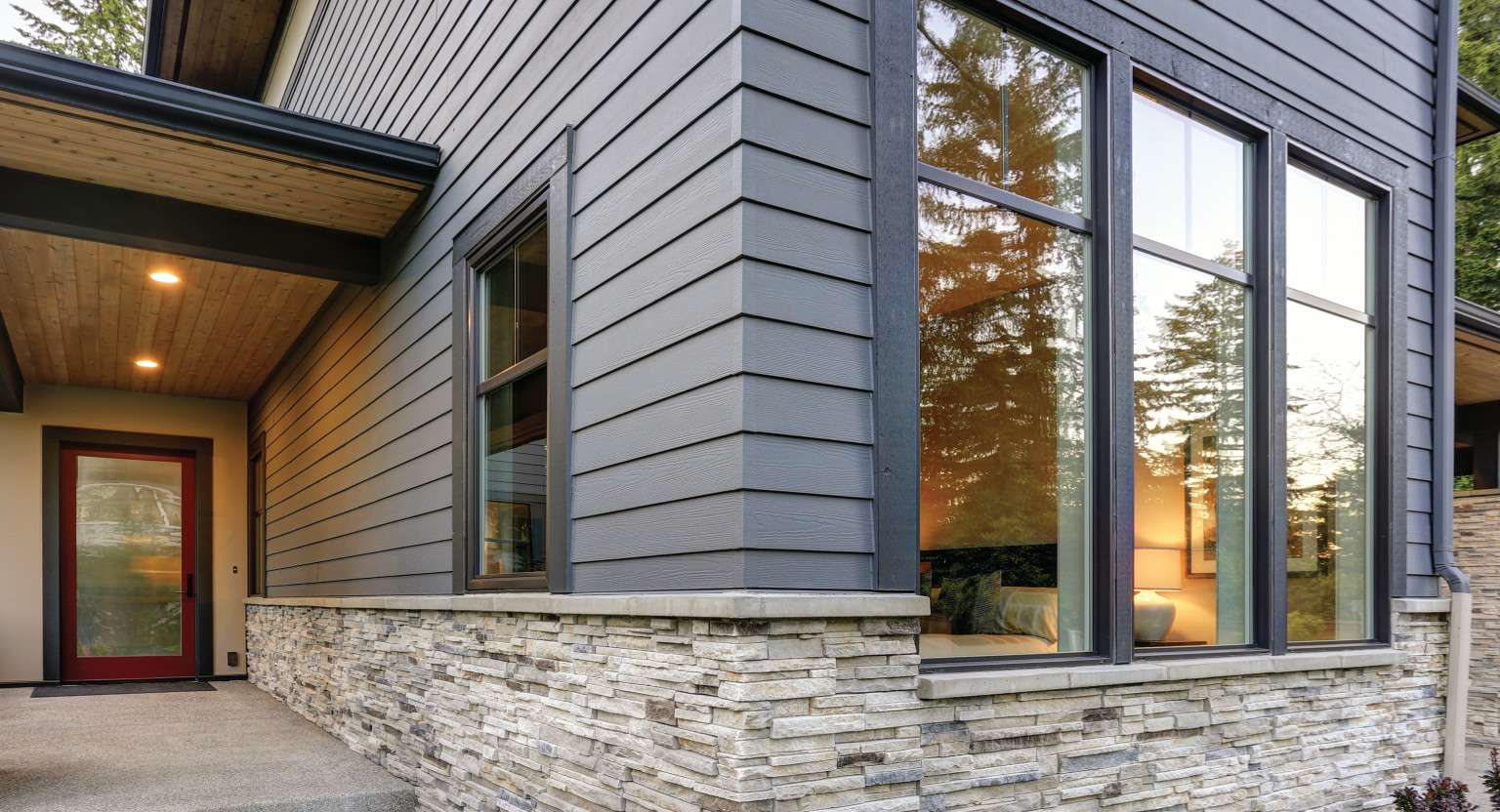
After the roof, the openings are the envelope’s weakest link. A single breached window can pressurize a house and lift the roof from inside. Impact-rated windows and doors prevent that, and the rating should match the home’s real wind exposure, not just the regional label:
- Over-spec’ing inland wastes budget on protection the site won’t see
- Under-spec’ing on the coast fails inspection and leaves the home exposed
What building materials help protect a home from wildfire?
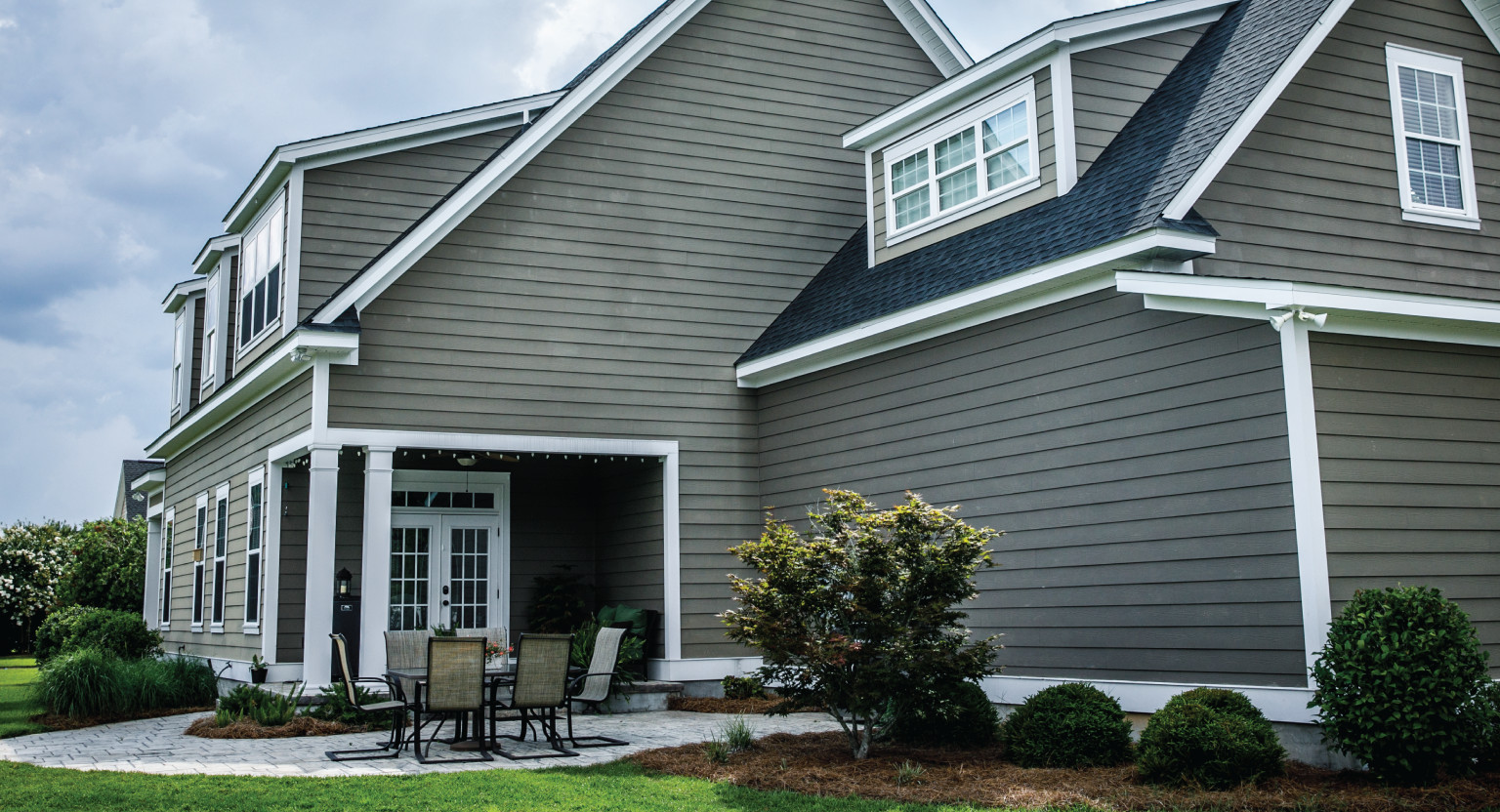
Wildfire resistance comes from fire-rated siding, ember-resistant vents and Class A roofing because wind-driven embers, not direct flame, ignite most homes. And it’s no longer a regional concern: After the January 2025 Los Angeles wildfires, the costliest on record, these materials belong in the conversation well beyond the West.
- Fiber cement siding is the workhorse since it is fire-resistant, and it shrugs off rot, pests and time with little upkeep
- Ember-resistant vents close off the most common ignition path
- Class A roof coverings resist ignition from falling embers
Hazard types and building material recommendations
Primary hazard
Where it hits hardest
Materials that earn their keep
High wind/Hurricane
Gulf and Atlantic coasts
Reinforced roof system, impact-rated windows and doors
Hail
Plains and Mountain West
Class 4 impact-rated roof coverings
Wind-driven rain
Storm-prone regions nationwide
Sealed roof deck, reinforced edges and flashing
Wildfire/Embers
Wildland-urban interface
Fire-resistant siding (fiber cement), ember-resistant vents, Class A roofing
What is FORTIFIED and is it worth it?
FORTIFIED is a research-backed construction standard from the Insurance Institute for Business & Home Safety (IBHS) that goes beyond code to protect homes from wind, rain and hail. Plus, the performance is verified, not assumed:
- The products must carry the ratings the standard requires
- The process is documented and signed off by an approved evaluator, brought in before the first nail
- The payoff is real: A FORTIFIED designation often unlocks insurance discounts, turning resilience into a number a client can act on
For contractors, a re-roof or siding replacement is the natural moment to build these details in and earn the designation.
Find the right materials for your market
ABC Supply’s nationwide network of teams understands the climate and code in your market. That expertise helps you compare leading roofing, siding and exterior lines, verify ratings and approvals against local requirements and choose the right materials for the job, so the right products get on the truck the first time and keep performing long after.